
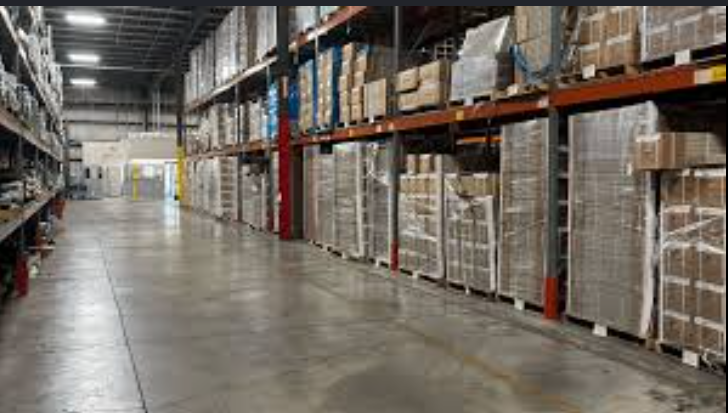

Warehouses have their own rhythm. You notice that pretty quickly if you spend enough time around one. Not silence exactly. More like layers of sound. Reverse beepers. Pallets dragging slightly across concrete. Shrink wrap crackling somewhere in the background. Someone calling out aisle numbers over the noise of moving equipment. And in the middle of all that, the stand up lifter usually keeps moving. Back and forth. Constantly.
That’s probably why small equipment issues often get ignored longer than they should. The machine still works, technically. So people keep using it. One slower lift here. Slight steering stiffness there. Nothing dramatic yet. Until it becomes dramatic.
The interesting thing about a stand up lifter is that it rarely fails without warning. Most of the time the signs show up early. Quietly though. Easy to miss during a busy shift when everyone’s trying to clear deliveries before lunch.
The “It’s Still Running Fine” Phase
This phase lasts longer than people think. A warehouse operator notices the stand up lifter feels slower lifting heavier pallets. Another worker mentions the brakes feel “a bit weird”. Someone else says the battery seems to drain faster lately. But because the machine still moves stock, nobody stops operations immediately. Which makes sense honestly.
Warehouses run on deadlines. Delays affect freight schedules, staffing, loading times, customer expectations. Pulling a stand up lifter out of service can throw off an entire day if backup equipment isn’t available.
So small issues get pushed aside for another week. Then another. Meanwhile tiny mechanical problems start stacking together in the background.
Operators Usually Notice Problems Before Management Does
This happens constantly. The people driving a stand up lifter every day become familiar with the machine in a strangely specific way. They notice tiny changes outsiders wouldn’t pick up.
Steering resistance feels different. Lift response feels delayed. There’s a vibration near the rear wheel during turns. Nothing obvious yet. Just little changes.
One warehouse worker described it once as “feeling when the machine’s in a bad mood”. That sounds unscientific but honestly, experienced operators often detect problems long before warning lights appear.
Good technicians usually listen carefully when operators describe symptoms because those observations matter more than people realise. Especially with a heavily used stand up lifter working multiple shifts.
Tight Spaces Create More Wear Than People Expect
A lot of warehouse environments aren’t gentle on equipment. Narrow aisles. Constant reversing. Sudden stops. Heavy pallets moving all day. Sometimes rough floor surfaces too, especially in older facilities where concrete has taken years of punishment.
A stand up lifter spends its entire life under repeated stress in these conditions. Turn. Lift. Reverse. Brake. Repeat. Thousands of times.
People sometimes assume equipment damage comes from major accidents, but daily repetitive strain causes plenty of issues on its own. Wheels wear unevenly. Hydraulic systems lose efficiency gradually. Steering components loosen little by little.
It’s slow damage. Quiet damage. Until performance noticeably drops.
Battery Problems Create Weird Flow-On Effects
This part gets overlooked surprisingly often. Battery performance affects more than just operating time in a stand up lifter. Weak batteries can influence lifting speed, responsiveness, and even operator confidence during busy periods. And battery issues don’t always announce themselves clearly.
Sometimes the machine just feels sluggish halfway through a shift. Operators compensate without thinking much about it. They slow down slightly. Avoid lifting certain loads until recharging. Productivity slips in tiny invisible ways.
That’s the thing about warehouse operations actually. Small inefficiencies spread outward fast. One unreliable stand up lifter can affect loading times, staff movement, aisle congestion, even frustration levels across a shift. People notice eventually. Even if nobody says it directly.
The Cost Of Downtime Feels Bigger Mid-Shift
There’s never really a good time for equipment failure. But when a stand up lifter suddenly stops during peak receiving hours, the pressure changes immediately. You can almost feel it across the warehouse floor. Pallets start waiting. Workers redirect manually. Space fills up faster than expected.
And suddenly a maintenance issue that seemed minor last month becomes everybody’s problem at once. That’s partly why preventative servicing matters so much in logistics environments. Not because breakdowns are always catastrophic, but because operational flow matters constantly.
Smooth movement. Predictable timing. Reliable handling. Warehouses depend on rhythm more than people outside the industry realise.
Older Equipment Tells Stories
You can usually spot older stand up lifter units pretty quickly. Not just visually either. Some develop certain sounds over time. A hydraulic whine during lifting. Slight rattling over expansion joints. Steering that feels heavier than newer machines.
Oddly enough, experienced operators often become attached to older equipment despite the quirks. They know how it behaves. Which corner requires extra care. Which lift height causes hesitation. There’s almost personality involved after years of daily use.
Still, aging equipment requires closer attention. Maintenance intervals matter more. Small symptoms become more significant. Delaying repairs tends to create wider problems faster than expected.
Particularly in high-turnover warehouse environments where the stand up lifter barely stops moving all day.
Safety Problems Usually Start Small Too
This part deserves more attention than it gets. Most warehouse safety risks don’t begin with huge dramatic failures. They begin with subtle mechanical decline.
Reduced braking responsiveness. Inconsistent steering. Lift instability under heavier loads. Tiny things initially.
But warehouses move quickly. Workers make fast decisions constantly. Equipment needs to respond predictably every single time. Even slight inconsistencies can create dangerous moments in tight operational spaces.
That’s why regular stand up lifter servicing matters beyond productivity alone. People rely on these machines daily. Quietly. Repeatedly.
Reliability Becomes the Real Priority
Most warehouse managers aren’t chasing perfect equipment. They just want reliable equipment. A stand up lifter from CHS Healthcare that starts every shift properly. Moves smoothly. Charges correctly. Handles consistent loads without creating uncertainty halfway through operations.
That reliability affects everything around it. Staff confidence improves. Workflow feels smoother. Delays reduce. Maintenance costs become more manageable over time instead of arriving suddenly in one painful repair bill.
And honestly, most major equipment problems begin as small annoying symptoms someone noticed weeks earlier but didn’t think were urgent yet.
That pattern repeats itself constantly in warehouses. Quietly at first. Then all at once.