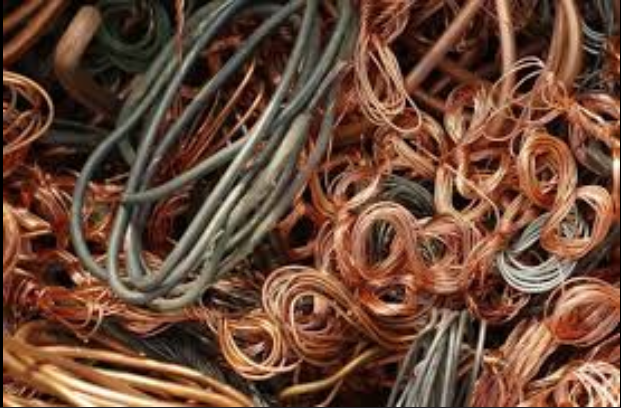

Most people don’t really notice copper until it’s piled somewhere. Behind warehouses. Inside demolition bins. Tangled through old electrical wiring. Sitting dusty in the corner of construction sites where everyone’s too busy dealing with deadlines to think much about scrap materials. Then suddenly somebody mentions current copper prices and the whole conversation changes.
Because Copper Recycling isn’t just about waste anymore. Not really. For a lot of industries now, it’s become tied to cost recovery, sustainability targets, site organisation, and honestly just smarter resource management overall. And the strange thing is, huge amounts of recyclable copper still get overlooked every day.
Construction Sites Generate More Copper Waste Than People Expect
Walk through almost any renovation or demolition project and you’ll see it eventually. Old cabling. Plumbing materials. Air conditioning components. Electrical offcuts tossed into mixed waste piles because separating everything properly feels time-consuming during busy jobs. Understandable in a way.
Construction sites move fast. People focus on structural deadlines, safety checks, deliveries arriving late, subcontractors running behind schedule. Scrap materials become background clutter pretty quickly.
But Copper Recycling has quietly become more important across construction industries because copper itself holds value long after its original use ends. Unlike many materials, it doesn’t really lose usefulness through recycling. That part surprises people sometimes.
Old Wiring Suddenly Becomes Worth Looking At
Electricians usually notice this earlier than others. Small piles of cable offcuts don’t seem significant individually. But over weeks and months, especially across commercial projects, the amount of recyclable copper adds up faster than expected.
One contractor described it once as “money hiding inside the skip bin”. Probably not the most technical explanation. Still accurate though.
Copper Recycling allows businesses to recover value from materials that otherwise get treated like ordinary waste. And as raw material demand continues growing globally, recycled copper keeps becoming more commercially useful. Particularly in industries already dealing with rising operating costs.
Demolition Work Tells A Different Story
Demolition sites have a very specific atmosphere. Noise everywhere. Dust hanging in the air. Machinery moving constantly while crews sort through what stays, what gets removed, what can still be reused. And underneath all that chaos, there’s usually copper somewhere.
Inside walls. Roofing systems. Pipes. Electrical infrastructure hidden behind decades of renovations layered over each other.
Good demolition crews often identify recyclable materials early because organised Copper Recycling changes how waste gets handled across the entire project. Fewer materials heading to landfill. Better sorting systems. Less unnecessary disposal. Still messy work obviously. But smarter messy work.
People Usually Think Recycling Means Tiny Household Efforts
That’s part of the disconnect maybe. When many people hear recycling, they imagine bottles, cardboard, household bins. Smaller personal habits. Industrial Copper Recycling operates completely differently.
Commercial recycling processes involve large-scale material recovery from infrastructure, manufacturing, transport systems, construction sites, data centres, electrical upgrades. Entire industries generating reusable metal continuously. And copper matters because modern infrastructure depends on it constantly.
Electrical systems. Renewable energy projects. Telecommunications. Plumbing. Transportation networks. The demand never really disappears.
Mixed Scrap Creates More Problems Than Expected
This part gets overlooked all the time. Throwing all site waste together might feel faster initially, but mixed materials create sorting complications later. Copper tangled with general waste becomes harder to recover efficiently. Contamination reduces value. Labour costs increase.
You see this especially on rushed worksites where cleanup becomes an afterthought right near project completion.
Meanwhile organised Copper Recycling systems usually start with separation earlier in the process. Dedicated bins. Cleaner storage. Better material handling habits from the beginning. Nothing glamorous about it. Just more practical long term.
Copper Has This Strange Ability To Keep Circulating
That’s probably one of the interesting things about the material itself. A copper wire removed from an old commercial building might eventually become part of completely different infrastructure years later. Electrical systems. Renewable energy equipment. Industrial manufacturing components. The material keeps moving through different industries repeatedly.
Which is why Copper Recycling supports broader sustainability efforts without always drawing much public attention. Reusing existing copper reduces pressure on raw mining demand while still supporting growing infrastructure needs. Not perfect obviously. But meaningful.
And because copper remains highly reusable, recycling it simply makes practical sense environmentally and financially at the same time.
Warehouses Usually Notice Scrap Build-Up Slowly
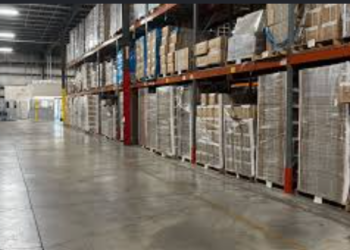
Funny thing about industrial sites. Scrap accumulation happens gradually enough that people stop seeing it properly after a while. Old cable drums stacked near loading zones. Copper piping offcuts sitting untouched beside storage containers. Damaged electrical components collecting dust in maintenance areas.
Then eventually someone organises a proper cleanup and realises how much recyclable material has been sitting there the entire time. This happens more than businesses admit probably.
Organised Copper Recycling programs help reduce that clutter while recovering value from materials that already exist onsite anyway. Cleaner spaces. Better organisation. Less waste heading nowhere useful.
Sustainability Goals Are Changing Business Decisions
Ten years ago many companies treated recycling as secondary. Now clients ask questions about waste management practices directly. Construction tenders increasingly include sustainability requirements. Businesses publicly discuss environmental targets more often because customers notice these things now.
And Copper Recycling fits naturally into those conversations because it’s tangible. Practical. Measurable. Companies can actually track recovered materials instead of speaking only in vague sustainability language. That matters.
Especially across industries trying to balance operational efficiency with environmental responsibility without completely disrupting existing workflows.
Smaller Businesses Sometimes Assume Recycling Services Aren’t Worthwhile
This assumption sticks around a lot. Some smaller contractors believe Copper Recycling only benefits huge industrial operations generating massive scrap volumes daily. But smaller projects still create recyclable copper consistently over time. Renovation companies. Electrical contractors. Plumbing businesses. HVAC installers. The quantities build gradually.
And once businesses establish organised recycling habits, the process usually becomes easier than expected. Less site clutter too, which honestly improves daily workflow more than people sometimes predict initially.
Copper Rarely Stops Being Useful
That’s probably the simplest way to look at it. Many materials eventually become unusable waste. Copper doesn’t really behave that way. It keeps holding value. Keeps returning into circulation through different industries and projects again and again.
Which explains why Copper Recycling from Union Metal Recycling continues growing across construction, demolition, manufacturing, and infrastructure sectors. Not because recycling suddenly became trendy.
Because businesses increasingly realise useful materials shouldn’t automatically become landfill just because a project finished or an old system got replaced.
And somewhere behind most busy worksites, there’s usually a pile of copper quietly waiting for someone to recognise it still has another purpose left in it.