

It’s working fine. Then it’s not. No slow warning. No clear signal. Just one day, your drone doesn’t stay up as long, or your RC car feels weaker halfway through a run.
You pause. Check things. Maybe blame the weather. Or the device. But a lot of the time, it’s the Lipo battery quietly reaching a point where something’s changed. Not broken exactly. Just… different.
That First “Something’s Off” Moment
You notice it mid-use. Power drops faster than usual. Or the performance feels uneven. Like it’s trying to keep up but can’t quite hold it. You might ignore it the first time. The second time, you start paying attention.
Because a Lipo battery doesn’t always fail dramatically. It often just… stops behaving the way you expect it to.
It’s Not Always Age
People assume it’s just wear. Old battery, less performance. Makes sense. But sometimes, even a relatively new Lipo battery can act like this. That’s where things get confusing.
Because the issue isn’t always time. It’s how it’s been used. Charged. Stored. Small habits that don’t feel important in the moment.
Charging Habits You Don’t Think About
This part’s easy to overlook. Charging overnight. Leaving it plugged in a bit longer than needed. Using a charger that’s “close enough”.
Individually, none of these seems like a big deal. But over time, they add up.
A LiPo battery is sensitive in ways people don’t always realise. Slight overcharging, uneven balancing, repeated small stress points… they build quietly. Until one day, the performance drops.
A Scene That Feels Familiar
You’re getting ready to use your device. Everything’s set. You expect it to run like it did last time. But halfway through, something feels off.
Shorter run time. Less power. Maybe a slight hesitation. You stop and think… did I charge it properly? That moment is usually when people start questioning the condition of their Lipo battery.
Storage Plays a Bigger Role Than Expected
This one’s subtle. You store the battery. Maybe for a few days. Maybe longer. But it’s not always stored at the right level. Or in the right environment. Too full. Too empty. Too warm. Too cold.
A Lipo battery doesn’t handle those conditions well over time. Even if nothing looks wrong externally. And the effect isn’t immediate. It shows up later, in performance.
Temperature Changes Things
Not dramatically. Just enough. Using a Lipo battery in heat or cold affects how it behaves. How it discharges. How stable it feels. You might not notice it in the moment.
But repeated exposure to less-than-ideal temperatures can shorten its effective life. And again, it’s gradual. Not obvious.
Small Damage Isn’t Always Visible
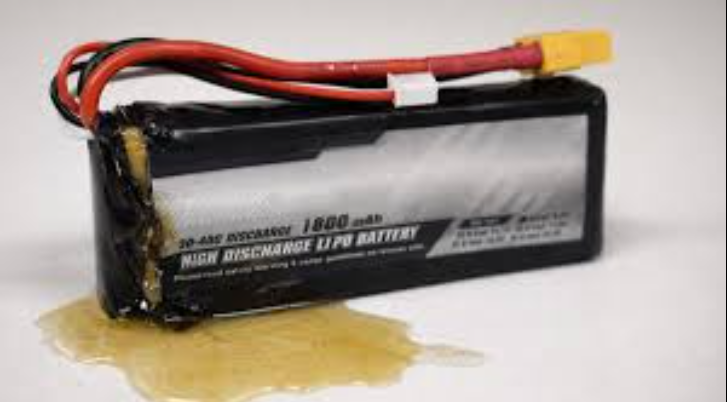
This part’s a bit tricky. You can’t always see what’s happening inside. A battery might look fine. No swelling. No external damage. But internally, things could be shifting.
That’s why a Lipo battery can suddenly feel unreliable even when it appears normal. The change isn’t always visible.
The “It Still Works” Phase
This is where people wait. The battery still works. Just not as well. So you keep using it. Maybe you adjust. Shorter sessions. Lower expectations. But that phase doesn’t last.
Once a Lipo battery starts declining, it usually continues to decline.
Performance Drops Aren’t Random
It might feel random. One day fine, next day not. But there’s usually a reason behind it. A pattern that built up over time.
Charging habits. Storage conditions. Usage cycles. A Lipo battery reflects all of that. Even if you didn’t track it closely.
A Slight Delay Before Action
You notice the issue. But you don’t act on it immediately. That’s normal. You test it again. Maybe it was just that one time. Maybe it’ll be fine next use.
Sometimes it is. Sometimes it’s not. And eventually, you reach the point where the Lipo battery isn’t reliable enough to ignore anymore.
When It Starts Affecting the Experience
This is usually the turning point. It’s no longer just a technical issue. It affects how you use your device. You hesitate. Check things more often. Don’t trust the run time.
That’s when people start thinking more seriously about their Lipo battery, not just as a component, but as something that needs attention.
Replacement Feels Like a Bigger Step Than It Is
There’s always a bit of hesitation. Do I really need a new one? Can I get a bit more use out of this? That thinking sticks around for a while.
But once performance drops below a certain point, replacing the Lipo battery usually makes things easier again. More consistent. More predictable.
What People Realise Afterwards
This part’s interesting. After replacing it, you notice the difference immediately. Performance feels normal again. Stable. Reliable.
And you realise how much you had adjusted to the declining battery without fully noticing. That’s often when people start treating their Lipo battery a bit differently going forward.
Small Habits That Change Things
Not big changes. Just small ones. Charging properly. Storing at the right level. Paying attention to temperature.
Nothing complicated. But these habits extend the lifespan of a LiPo battery. And more importantly, they keep performance consistent.
A Slightly Uneven Ending
A LiPo battery from RC Battery doesn’t usually fail all at once. It fades. Quietly. Gradually. Until one day, it’s noticeable enough that you can’t ignore it anymore.
And by then, you’re already thinking about what to do next. Not dramatic. Just… part of how these things go.